
Roofing
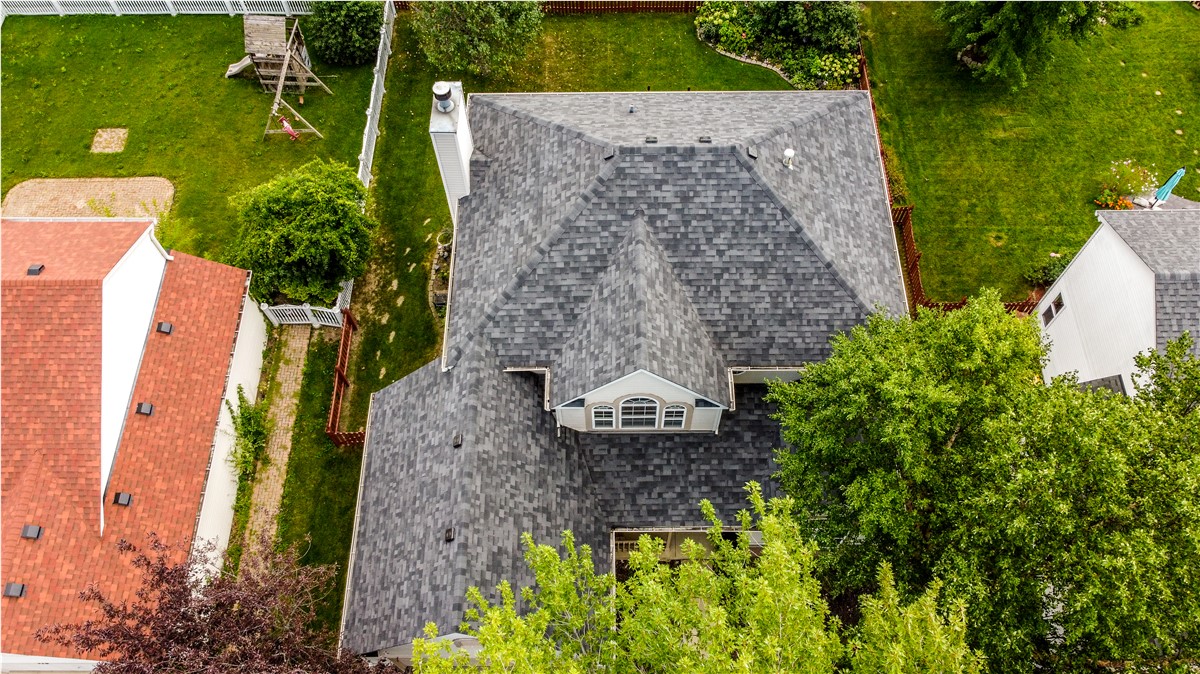
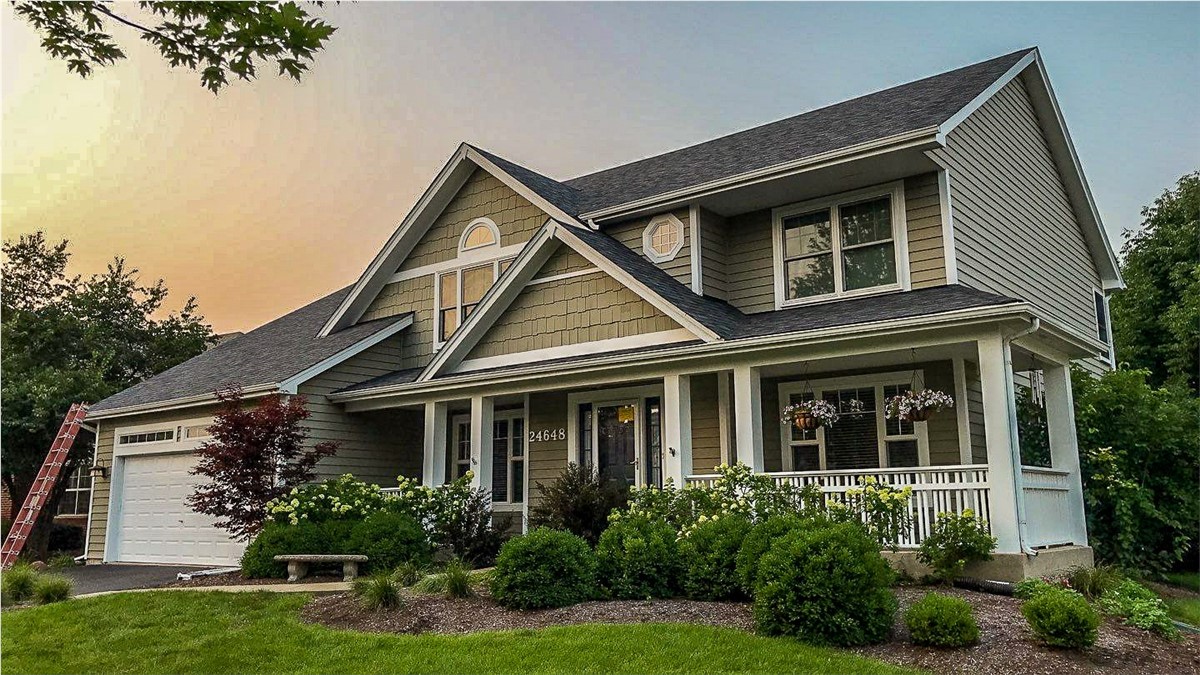
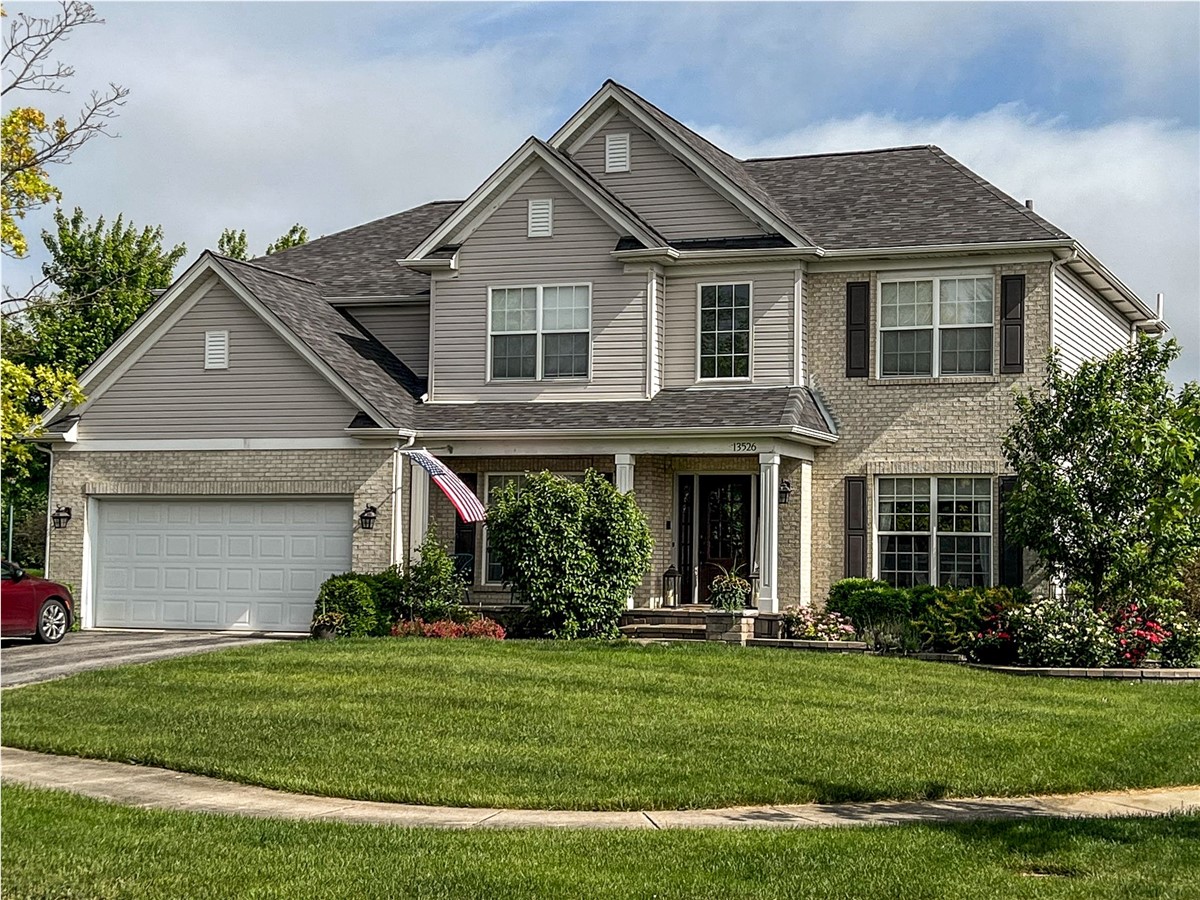
Depending on the material, the lifespan of a roof can span from 20-50 years or more. If your roof consists of asphalt shingles, then you should replace it every 20-30 years. Metal roofing can last over 50 years! Durability and lifespan are two very important features of a roof. They are dependent on the quality of materials used, proper installation, and proper and regular maintenance.
Typical signs that indicate you need a new roof are missing or damaged shingles, leaks in the roof, an abundance of granule loss, and curling shingles. If you notice any of these signs, it may be time for you to replace your roof. Reach out to professionals to receive an inspection.
There are many factors that go into determining the cost of a new roof. These factors include the size of the roof, the materials used, labor costs, and more. Receiving an estimate from a contractor will help gauge roughly how much a roof installation will cost.
When choosing a roofing contractor, the company you choose needs to be licensed, insured, and have a good reputation. To determine a company’s reputation, check for Google reviews. Experience, expertise, and products a company uses are other factors to consider. Reputable companies should be able to give free estimates for your potential new roof.
The timeframe for the roof installation can vary depending on various factors, such as size and complexity of the project, weather conditions, and availability of both materials and labor. Roof installations typically last a few days to a couple of weeks. When speaking with the contractor, make sure to go over the approximate timeline for your project.
We will inspect your home to determine the best methods, materials, warranties, and prices for your individual building.
We can install a roof year ‘round, with only minor adjustments due to severe weather conditions.
Yes, but the preferred method is removal. Removal allows for inspection of the substrate, and the elimination of any wet, rough, and/or unstable existing materials.
Basic shingle types are:
- 3-tab shingle – Least expensive shingle on the market
Has a single layer minimum coverage. Good for customers primarily concerned with price. - Dimensional / Architectural Shingle (lifetime)
Has a double layer minimum coverage. Higher quality shingle composed of two layers of material per shingle. - Designer
Beautiful, stylish, and exceptionally durable, Designer lifetime shingles will make your home the envy of the neighborhood!
Dark shingles should last as long as lighter shingles given that they are installed on a house that has a properly vented attic. Proper attic ventilation is the key component to a longer lasting roof.
All debris is taken to a landfill and disposed of properly.
The ridge is the top of your roof, which runs level to the ground (does not have slope). The ridge is usually covered with ridge caps (short shingles laid in a straight line) or, preferably, with a ridge vent.
A valley is created when two main roof decks intersect each other. The resulting junction resembles a valley.
Our team will inspect your roof and give honest feedback. If repairs will safely extend its life, we’ll recommend that first.
Ice & water sleigh is a waterproof Underlayment unwashed along the roof edges, valleys, and other vulnerable areas. It protects your home from ice dams, wind-driven rain, and leaks. Illinois weather makes this a must have, and most villages require it.
Your home needs balanced ventilation: Meaning intake vents (soffit) and exhaust vents (ridge). This keeps your attic cool, prevents moisture buildup, extends shingle life, and helps reduce energy bills.
If we uncover rotten, soft, or damaged wood, we’ll show you photos and replace only what’s necessary. Roofing materials can’t be installed on unsafe decking, so replacing it ensures your roof is structurally sound and leak free!
Wind, hail, and heavy storms can crack shingles, pull them up, or damage flashing. Even small damage can lead to leaks overtime. We offer free storm inspections to evaluate any damage safely and honestly.
We can usually get very close. Exact matching can be challenging if the roof is old or discontinued, but we always bring samples for you can see real-life color options.
Yes, in many cases. Installing a "Class 4 Impact Resistant" roof (like certain Malarkey or asphalt shingles) can qualify you for significant discounts on your premiums. In 2026, with rising insurance costs in the Chicagoland area, many carriers offer "roof age" discounts and premium credits for materials that can withstand hail and high winds. Always ask your agent about specific credits for a "fortified" roof.
Absolutely. If you are considering solar, the best time to install them is immediately following a roof replacement. We ensure the flashing and mounting systems are integrated directly into the new roofing system to maintain your warranty. By doing both at once, you avoid the high cost of removing and re-installing solar panels later when your roof eventually needs replacement.
A manufacturer warranty (like those from Malarkey) covers defects in the shingles themselves, such as premature fading or granule loss. A workmanship guarantee covers the installation of those shingles. At Stan’s, we provide a lifetime workmanship guarantee because even the best shingles will fail if the flashing, ventilation, or nailing patterns aren't executed perfectly.
Siding & Exterior
We install Vinyl and James Hardie fiber cement siding.
Yes, We offer window and door replacement!
Most siding projects take 3-7 days, depending on the homes size and weather.
Absolutely. New siding improves curb appeal, resale value and energy efficiency by sealing drafts and adding insulation.
Yes, we handle all exterior details to give your home a finished and seamless look!
We do both! Our team can replace sections of damaged siding or preform a full replacement if needed.
Yes, our project consultants bring color samples, texture options and style boards so you can visualize your choices.
For the Chicagoland area, James Hardie fiber cement is the superior long-term choice due to its fire resistance and ability to withstand extreme freeze-thaw cycles without warping or cracking. While vinyl siding is more budget-friendly and requires less maintenance (no painting), it can become brittle in Illinois winters. If you plan to stay in your home for 15+ years, the durability and ROI of James Hardie usually outweigh the initial cost savings of vinyl.
Yes, especially for Illinois homeowners facing high heating and cooling bills. Insulated vinyl siding can reduce energy consumption by up to 20% annually by creating a "thermal envelope" around your home that stops heat from escaping through wall studs. Beyond energy savings, the foam backing makes the siding significantly more impact-resistant against hail and provides up to a 40% reduction in exterior noise.
Identifying hail damage depends on your siding material. On vinyl siding, look for "chips," "cracks," or small half-circle holes, especially at the bottom of panels. On James Hardie or metal siding, damage often appears as "dents" or circular "bruises." Even if you don't see holes, check for localized warping or panels that have become "loose," as these are signs that the siding’s integrity has been compromised and could lead to water leaks.
In 2026, we are seeing a strong shift toward "Nature-Inspired" palettes. While classic whites and creams still offer the highest broad-market resale value, deep earth tones like charcoal gray, navy blue, and forest green have become the top choices for modern curb appeal in Illinois. These darker colors provide a premium look that masks dirt well and pairs beautifully with the stone accents popular in Chicagoland architecture.
Decks
Composite decking is generally superior for the Chicagoland climate because it resists the extreme freeze-thaw cycles and humidity that cause natural wood to warp, crack, and rot. While pressure-treated wood is more affordable upfront, it requires annual staining and sealing to survive Illinois winters. For long-term ROI, composite materials offer a 25–50 year lifespan with minimal maintenance, whereas wood typically lasts 10–15 years in this region.
Most residential deck projects in the Chicago area are completed in 3 to 7 business days once the building permit is approved. Smaller, ground-level platforms may take as little as 48 hours, while complex, multi-level composite decks with custom railings and lighting can take up to two weeks. We provide a specific project timeline during your final estimate so you know exactly when your outdoor space will be ready.
While we can build decks year-round, late autumn and early spring are often the best times to schedule your project. Building during the "off-season" ensures your deck is ready for use by the first warm day of summer. Additionally, the dry, cool air of late autumn is ideal for the curing process if you are using pressure-treated lumber, as it reduces the risk of the wood warping or "checking" in the intense summer sun.
Every home is unique, which is why we specialize in fully custom deck designs. Whether you need a small space for grilling, a multi-tiered entertainment zone, or a second-story deck integrated with your existing architecture, our team handles the entire process. This includes structural engineering for load-bearing requirements, architectural drawings for permit approval, and the selection of premium composite or wood finishes that match your home's aesthetic.
To ensure deck safety, perform an annual inspection for "ledger board" security, rusted fasteners, and soft spots in the wood. Check if the deck is pulling away from the house or if the guardrails feel loose, as these are common causes of deck failure in older Chicago area homes. If you notice structural "waving" or extensive rot on support posts, the deck may need professional reinforcement or replacement to meet modern load-bearing standards. If you're unsure, give us a call and we can take a look for you!
Yes, a professionally installed deck is one of the highest-ROI exterior upgrades, typically recouping 60% to 75% of its cost at resale. In 2026, buyers prioritize "outdoor living rooms" that include integrated features like LED stair lighting, built-in seating, and weather-resistant composite finishes. Adding these modern amenities can significantly differentiate your property in competitive suburbs like Orland Park or Mokena
Yes. In almost all Chicagoland municipalities (like Naperville, Orland Park, and Downers Grove), a building permit is required for any new deck construction or structural repair. This ensures the project meets local zoning setbacks and safety codes. As part of our service, we handle the entire permit application process, including submitting architectural drawings, so you don't have to navigate the local building department yourself.
The primary difference is time and long-term cost. A natural wood deck requires power washing and restaining every 1–2 years to prevent rot and UV damage in the Illinois sun. Conversely, a composite deck (like Trex or TimberTech) never needs sanding or staining; it only requires an occasional rinse with soap and water to remove surface dirt. For most 2026 homeowners, the "maintenance-free" aspect of composite is the deciding factor.
Scheduling & Estimates
You can call our office at (708) 448-4100 or fill out our online request form.
Yes, our estimates are always 100% free and come with no obligation or pressure to commit. We believe in earning your trust through honesty, not sales tactics
In most cases, we can schedule your appointment within a few business days, depending on location and season.
Yes, we ask that you and anyone choosing colors and/or styles there so we can make the process smooth and easy.
You’ll receive a detailed, itemized proposal explaining all your options. If you choose to move forward, our team will schedule your project at your convenience.
Never. Our team is trained to educate, not pressure. We want you to feel confident and informed before making any decision.
In the volatile 2026 market, our estimates are typically guaranteed for 30 days. Because material costs for premium products like James Hardie siding or Malarkey shingles can fluctuate, we provide a month-long window to lock in your pricing. If you need more time, we can re-verify the material costs before you sign the contract to ensure accuracy.
We provide free on-site estimates for residential projects throughout the South and West Chicago suburbs, including Naperville, Orland Park, Downers Grove, Mokena, and surrounding areas.
To get the most accurate quote, we recommend having your insurance claim information (if applicable) and any neighborhood HOA guidelines ready. You should also ensure that our team has clear access to the perimeter of your home. You don’t need to do any heavy lifting; our specialists will perform a full 360-degree inspection of your roofing or siding system using digital measurement tools.
General Questions
Cleanliness is very important. Yes, we clean our work area and the surrounding yard area at the conclusion of every workday.
Material warranties are usually issued by the manufacturers for periods of 5 years to Lifetime (50 years). Stan's Roofing & Siding installs roofing materials from CertainTeed, offering the industry’s best roofing warranties.
No, we provide free estimates for roofing projects in and around the Southwest Suburbs of Chicago.
Yes. Stan's Roofing & Siding is fully licensed, bonded, and insured to operate in the state of Illinois. We hold all required local municipal licenses for the suburbs we serve, and we carry comprehensive general liability and workers' compensation insurance. This ensures that you are protected against any liability or property damage during your project.
We have been in business for over 59 years. Our decades of experience in the local market mean we understand how Illinois weather impacts different roofing and siding materials. Our long-standing reputation is built on consistent quality, which is why we offer a lifetime workmanship warrantee that most "fly-by-night" contractors cannot match.
Yes, we provide emergency assessment and tarping services for homeowners who have suffered sudden storm or tree damage. We prioritize these "emergency" calls to prevent further interior water damage to your home. Once your home is stabilized, we assist you in the insurance claim process to ensure your permanent repairs are covered correctly
Transparency is our priority. If we encounter unforeseen issues during a project, such as hidden wood rot or structural damage, we stop work immediately to document the problem. We provide you with photos and a clear explanation of the necessary repairs and any associated costs before proceeding. Our goal is to ensure your home is restored correctly without any "hidden" surprises on your final invoice.
Yes. For every one of our projects, we assign a dedicated on-site supervisor. This ensures that the job site stays organized, safety protocols are strictly followed, and you have a single point of contact for any questions. This high level of oversight is a key part of our lifetime workmanship guarantee and ensures the project is completed to our 59-year standard of quality.
Basement
Basement finishing involves turning an unfinished basement (exposed framing, concrete floors) into a livable space with walls, flooring, insulation, lighting, and more. Basement remodeling, on the other hand, refers to updating or changing an already finished basement—like redesigning a layout, upgrading materials, or converting it into a new purpose (e.g., home theater, gym, guest suite).
Yes, in most cases, you'll need a permit. City of Chicago: Requires permits for almost all structural, plumbing, and electrical work. Suburbs (e.g., Naperville, Evanston, Oak Park): Each municipality has its own codes. Most require permits for framing, insulation, electrical, and plumbing. Always check with your local building department before starting
Costs vary based on size, design, and features. As of 2025:
- Basement finishing typically ranges from $40 to $100 per square foot.
- A full remodel with high-end finishes can run $50,000–$120,000 .
Factors affecting cost:
- Moisture issues or waterproofing needs
- Existing ceiling height and layout
- Plumbing/electrical relocation
- Custom features like bars, bathrooms, or media rooms
Yes, finishing your basement can boost your home’s resale value and appeal to buyers, especially in neighborhoods where square footage is at a premium. Expect to recoup 60%–75% of your investment, and more if it includes a legal bedroom or bathroom.
Yes, but only if the space meets egress requirements. You must have a window or door that leads directly outside in case of emergency. In Chicago, a legal bedroom window must have at least 5.7 sq. ft. of opening area and be no more than 44 inches off the floor.
Basements in the Chicagoland area are prone to moisture and water intrusion, especially during spring thaw and heavy rain. Before finishing, we will:
- Inspect for cracks, seepage, or mold
- Install a sump pump (with backup battery)
- Consider drain tile systems or waterproofing solutions
- Use moisture-resistant drywall (e.g., green board) and vinyl or tile flooring
Yes, but it may require an ejector pump if the basement is below the main sewer line. Adding a full or half bath can significantly increase usability and value. Make sure plumbing is installed to code and inspected properly.
There are plenty of ways to elevate your basement, adding comfort and value to your home. Some top trends include:
- In-law suites or guest rooms
- Home theaters or media rooms
- Home gyms
- Work-from-home offices
- Basement bars or wine cellars
- Playrooms or teen lounges
- Rental units (where zoning allows)
Contact Stan's Roofing & Siding Unlimited Basements to get a personalized estimate on your basement remodel.
For an average 1,000 sq. ft. space, finishing takes about 6–10 weeks. Remodeling timelines vary based on complexity but generally take 4–8 weeks. Permit approval times can vary by suburb - Chicago may take longer
Yes. Insulation helps with energy efficiency, moisture control, and soundproofing. Use closed-cell spray foam or rigid foam board to meet Chicago energy codes and help with dampness.
Not all cracks are emergencies. Small, vertical "hairline" cracks are often the result of natural concrete shrinkage as it cures. However, if you see horizontal cracks, "stair-step" patterns in brick, or cracks wider than 1/4 inch, these are signs of hydrostatic pressure or foundation shifting. These require immediate professional attention to prevent structural failure or major water intrusion.
A musty smell is almost always a sign of "hidden" moisture or high humidity (above 60%) that has triggered mold or mildew growth. In Chicagoland basements, this is often caused by vapor transmission, where moisture seeps through porous concrete walls as a gas. We solve this by installing a professional-grade vapor barrier or a high-capacity dehumidification system to stabilize the air quality.
A standard primary sump pump will stop working the moment your power goes out, which is exactly when you need it most during a spring storm. For 2026, we highly recommend a dual-pump system with a battery backup. These systems automatically take over during power failures and can pump thousands of gallons on a single charge, providing critical protection when the main grid fails.
Let's Get You A Free Quote


Take 15% Off On Roofing, Siding, Windows, & Decking!
We ensure that our products are installed correctly every time—guaranteed!