In Chicagoland, we don't really have a "Spring." We have a "Thaw," followed immediately by severe thunderstorm and tornado season. As we sit in mid-January, it might feel early to think about April showers, but in the home improvement world, January is the time to audit.
By the time the first major hail or wind storm hits in 2026, every contractor in the 630 and 815 area codes will have a six-week waiting list. Use this Spring Storm Audit to identify small weaknesses now, so they don’t become emergency repairs later.
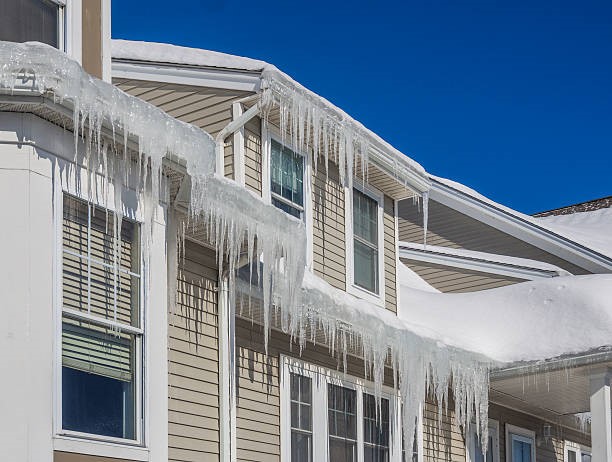
1. The "Ice Dam Aftermath" Inspection
Now that the heaviest snow has likely passed, it is time to look for the damage it left behind.
• What to look for: Check your gutters for "sagging." The weight of ice and snow often pulls gutters away from the fascia board.
• Why it matters: If your gutters aren't flush, spring rains will pour directly behind your siding, causing rot in your wall studs that you won't see until it is too late.
2. The "Sideways Rain" Seal Test
Illinois spring storms are notorious for high-velocity, horizontal rain.
• What to look for: Inspect the caulking around your windows and doors. If you see gaps or peeling, the seal is compromised.
• The 2026 Fix: In 2026, we recommend high-performance solar-resistant sealants that don't become brittle in the winter and don't melt in the summer heat.
3. The Shingle "Seal Strip" Check
Winter winds can break the adhesive bond (the seal strip) on your shingles without blowing them off completely.
• The Test: Look for shingles that appear slightly "puffy" or lifted.
• The Risk: Once that seal is broken, a 40 mph spring gust can flip those shingles up like a deck of cards, exposing your underlayment to the elements.
4. Perimeter Drainage and Grading
As the ground thaws, it becomes saturated.
• The Check: Walk the perimeter of your home. Are there "dips" in the soil near the foundation? Are your downspout extensions still attached and moving water at least 6 feet away from the house?
• Pro Tip: In 2026, we are seeing more "Basement Moisture" issues caused by simple grading problems than by actual foundation cracks.
5. The "Soffit Intake" Audit
Most homeowners forget that their roof "breathes" from the bottom up.
• The Check: Look at your soffits (the underside of your roof overhang). Are the vents clogged with dust, spiderwebs, or old paint?
• Why it matters: Proper intake is the only way to prevent your attic from "pressure-cooking" your shingles during the first 80 degree day in May.
The 2026 Spring Readiness Table
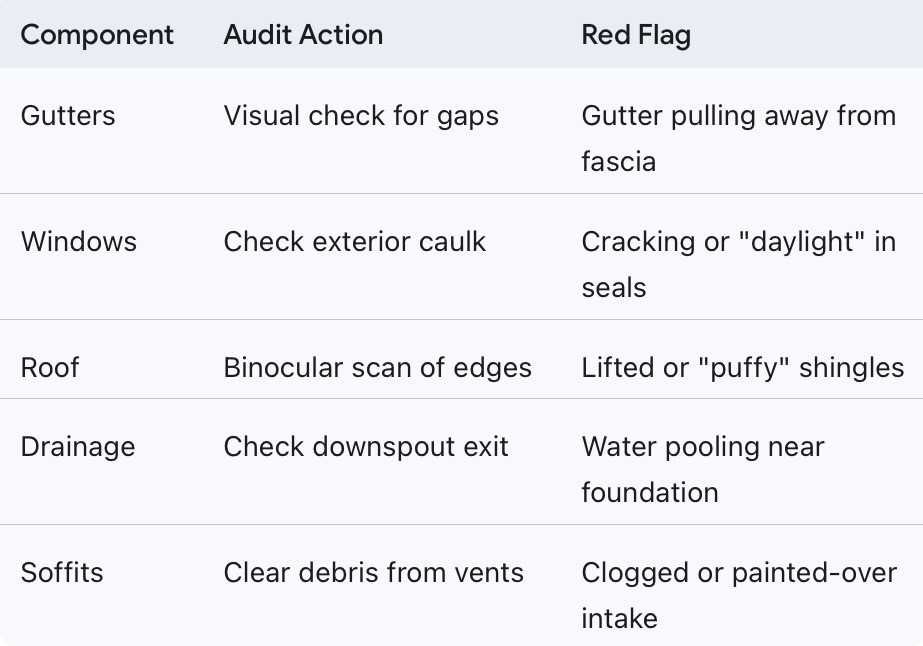
Beat the April Rush
A 15-minute walk around your home this weekend could save you $15,000 this spring. If you find a "Red Flag" during your audit, don't wait for the first storm to call us.
Book Your Professional Spring Audit or call us at (708) 448-4100. We will help you get ahead of the weather so you can enjoy the spring, worry-free.
Sources
• National Weather Service (NWS): Spring Safety and Storm Preparedness : Guidelines for protecting property during severe spring weather.
• Insurance Institute for Business and Home Safety (IBHS): Home Maintenance for Storm Resilience : Technical checkpoints for wind and rain resistance.
• Energy.gov: Principles of Attic Ventilation and Drainage : Official guidance on why soffit intake and foundation drainage are critical for home health.
Subscribe to Stan's Roofing & Siding's Blog




Comments