Many Illinois homeowners are unaware that residential building codes underwent a significant shift as we entered 2026. These aren't just "suggestions" for builders; they are new standards that directly impact how a roof is replaced and how siding is installed in cities like Joliet, Naperville, and Downers Grove.
At Stan’s Roofing & Siding, we’ve spent the winter months training our teams on these updates. Here is a breakdown of why these "boring" code changes are actually great news for your wallet and your home's comfort.
1. The R-Value Revolution
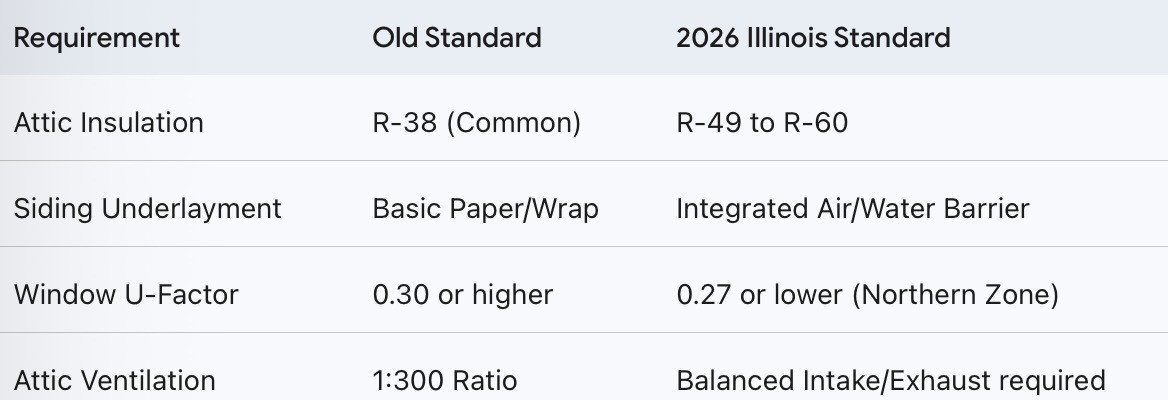
In 2026, Illinois has moved toward stricter R-Value requirements (a measure of thermal resistance).
• The Change: For attic insulation, the bar has been raised. If you are replacing a roof and your insulation is below current standards, local codes may require an "energy upgrade."
• Why it matters: Most older homes in our area have R-19 or R-30 insulation. The new standards aim for R-49 to R-60. This change alone can slash your heating bills by up to 15% immediately.
2. Continuous Insulation (The "Siding Wrap")
One of the biggest shifts in 2026 siding projects is the emphasis on Continuous Insulation (CI).
• The Problem: Standard "stud-and-cavity" walls lose heat through the wood studs themselves (a process called thermal bridging).
• The 2026 Solution: Code now favors a layer of rigid foam or high-density "fanfold" insulation behind your new vinyl or Hardie siding. This creates a thermal break that keeps your home's interior temperature stable, regardless of the Illinois wind chill.
3. Air Sealing and "Blower Door" Logic
While you might not need a full blower door test for a simple shingle swap, the logic of 2026 codes is all about Air Sealing.
• When we replace your siding, we aren't just putting up new panels. We are inspecting the "House Wrap" and using advanced flashing tapes around windows and doors.
• The Result: This prevents "conditioned air" (the air you paid to heat) from leaking out of the gaps in your home's plywood sheathing.
2026 Code Checklist: What Your Contractor Should Know
4. Why Flexibility Matters in a Chicago Winter
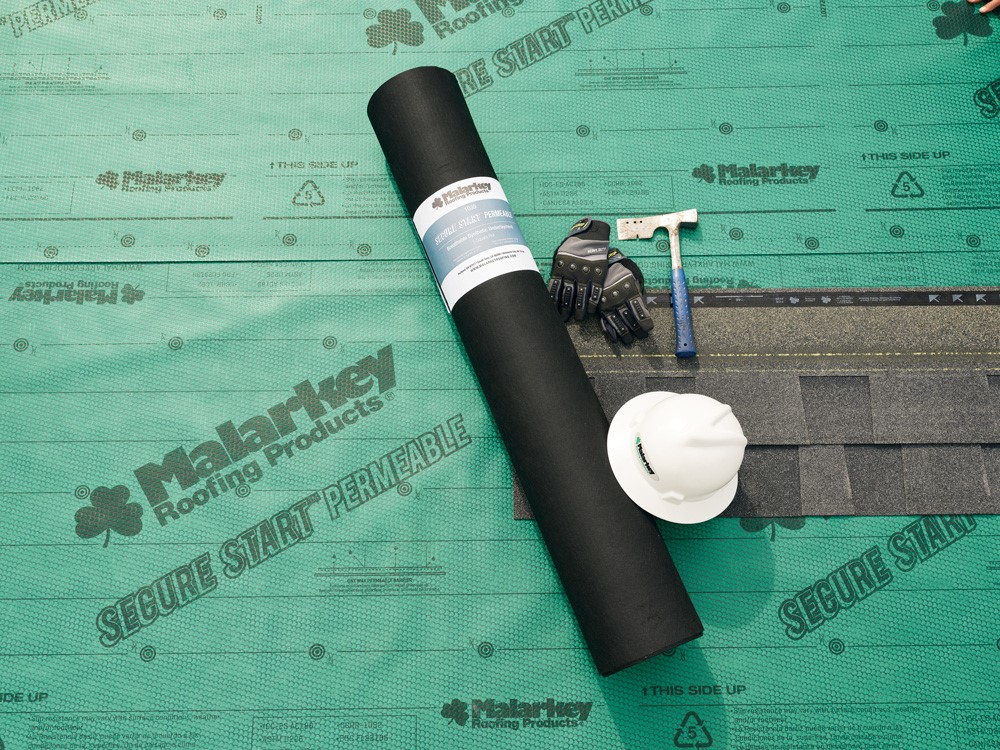
One of the hidden benefits of Class 4 shingles is that they are often "rubberized" with SBS polymers. This means they do not get brittle when the temperature drops to zero. Standard shingles can crack if a tree branch hits them in January, but a Class 4 shingle stays flexible. This is a massive advantage for the [January Freeze] we are currently experiencing in the 630 and 815 area codes.
The Stan’s Recommendation
We believe every roof replaced in 2026 should be an investment in your home's "insurability." We specialize in installing Class 4 systems that meet the highest standards of the Insurance Institute for Business and Home Safety (IBHS).
Give us a call us at (708) 448-4100 for a free material consultation. We will help you find a shingle that looks beautiful and keeps your insurance agent happy.
Sources
• Insurance Institute for Business and Home Safety (IBHS): Impact Resistance Ratings and Standards : Detailed explanation of the UL 2218 test and its impact on home safety.
• State Farm Insurance: Roofing Discounts for Impact-Resistant Shingles : General guidelines on how major carriers reward Class 4 installations.
• Malarkey Roofing Products: The Science of SBS Polymer Modified Asphalt : Technical data on why rubberized shingles outperform standard asphalt in Illinois climates.
Subscribe to Stan's Roofing & Siding's Blog



Comments