If shingles are the "skin" of your roof, then flashing is the armor. In the world of roofing, water is always looking for a shortcut. Shingles do a great job on flat surfaces, but they struggle at the "seams"—the places where your roof meets a wall, a chimney, or a vent.
That’s where flashing comes in.
What is Roof Flashing?
Flashing consists of thin pieces of weather-resistant material (usually galvanized steel or aluminum) installed to direct water away from critical areas. Think of it as a specialized "diverter" that ensures water stays on top of your shingles rather than slipping underneath them.
The 3 Types of Flashing You Should Know:
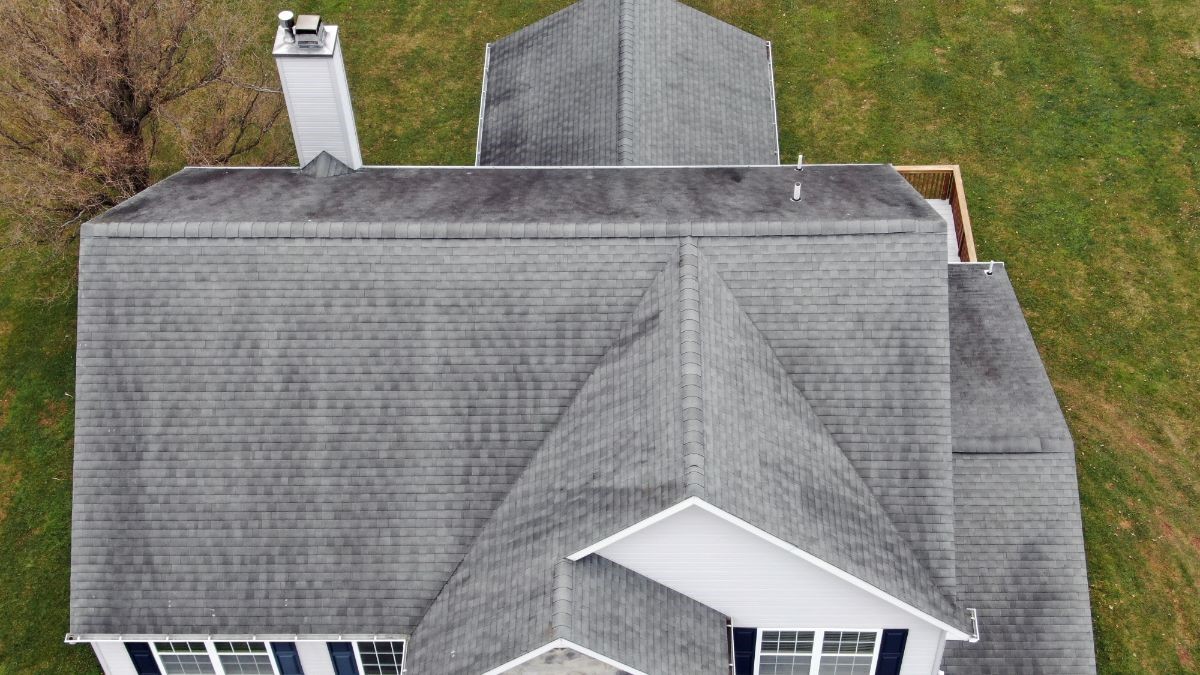
Step Flashing: These are small, L-shaped pieces of metal that look like a staircase. They are tucked under shingles wherever the roof meets a vertical wall (like a dormer). Each "step" overlaps the one below it, creating a waterproof seal.
Counter Flashing: You’ll see this on your chimney. It’s the metal embedded into the brick mortar that hangs down over the base flashing. It acts like a "cap" to make sure water doesn't seep behind the chimney's edge.
Drip Edge: This is the unsung hero installed at the very edge of your roof. It directs water into your gutters and keeps it from soaking into the wooden "fascia" boards behind them. Without a drip edge, your gutters could eventually rot your home's frame.
Why Flashing is Usually the "Real" Problem
When we get a call for an "emergency leak," the shingles are rarely the culprit. More often than not, it's a piece of flashing that has rusted, pulled away from the wall, or was installed improperly years ago.
Because flashing is made of metal, it expands and contracts differently than your shingles. Over 10–15 years, the sealants holding that flashing in place can crack, creating a "hidden" entrance for rain.
The Homeowner "Binocular Test"
You don’t need a ladder to check your flashing. Take a pair of binoculars and look at your chimney and dormers. Do you see:
Metal that looks rusted or green?
Gaps between the metal and the brick?
Pieces that look like they are "lifting" up?
If you see any of these, it’s a sign that your armor has a gap in it.
Subscribe to Stan's Roofing & Siding's Blog



Comments