After an Illinois winter, your roof has likely taken a beating from the "freeze-thaw" cycle. Before the heavy spring rains and high winds arrive, taking 20 minutes to perform a "ground-level" audit can save you thousands in emergency repairs.

1. The Binocular Test
You don’t need a ladder to spot major issues. Grab a pair of binoculars and walk across the street. Look for:
• Missing or cracked shingles: High winter winds can lift even heavy-duty shingles.
• Granule Loss: If your shingles look "bald" or shiny, they’ve lost their protective layer and won't shed spring rain properly.
2. Check the "High-Traffic" Water Zones
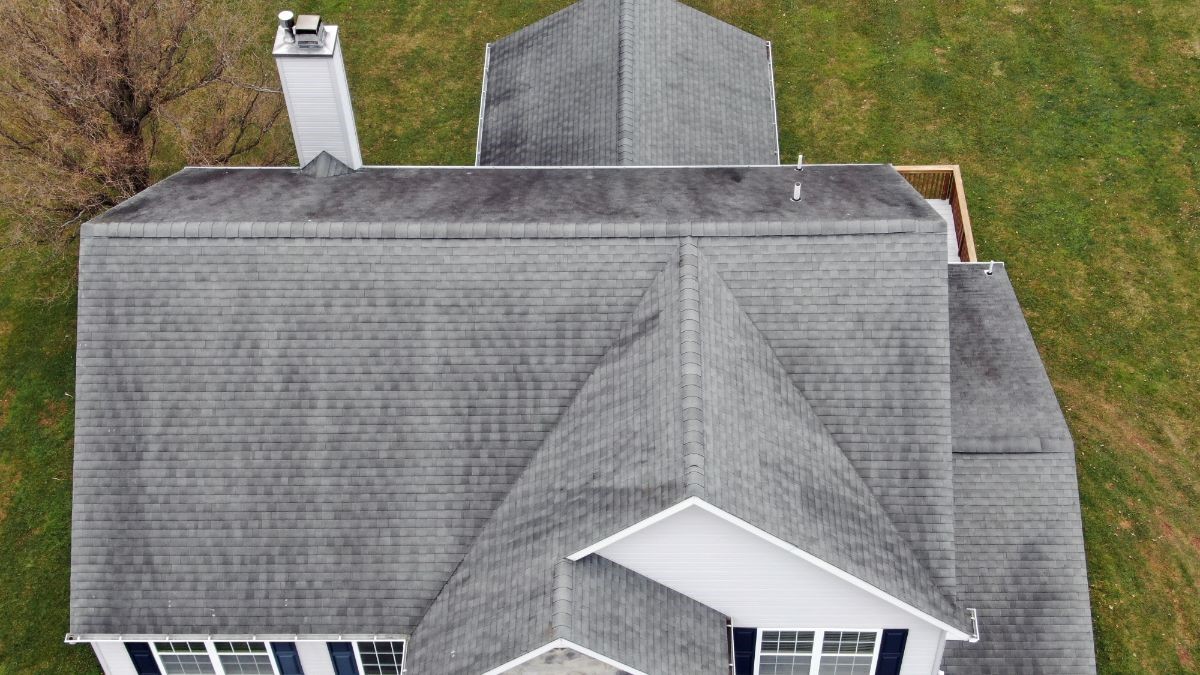
Look at your Roof Flashing. These metal plates around your chimney and vents are the most common leak points. If the sealant looks cracked or the metal is pulling away, it's an open invitation for water.
3. The Gutter "Muck" Check
Winter debris—and even grit from your shingles—settles in your gutters. If gutters are clogged, spring rain will back up under your shingles, causing wood rot. Ensure your downspouts are pointing at least 5 feet away from your foundation.
4. Search for "Yellow Clouds" in the Attic
Go into your attic with a flashlight. Look at the Roof Decking (the wood underside). If you see yellow or brown staining, those are active leaks that haven't hit your ceiling yet.
5. Inspect Your "Soft Spots"
Check your Soffit and Fascia. If the wood looks soft or the paint is peeling, moisture is getting trapped. This is often a sign that your Roof Ventilation needs an upgrade for the warmer months ahead.
Don't wait for the first "Severe Weather Alert" to find out your roof is failing.
Subscribe to Stan's Roofing & Siding's Blog




Comments