The clouds have cleared, the wind has died down, and the Illinois sky is blue again. But for many Chicagoland homeowners, the real work starts after the storm passes.
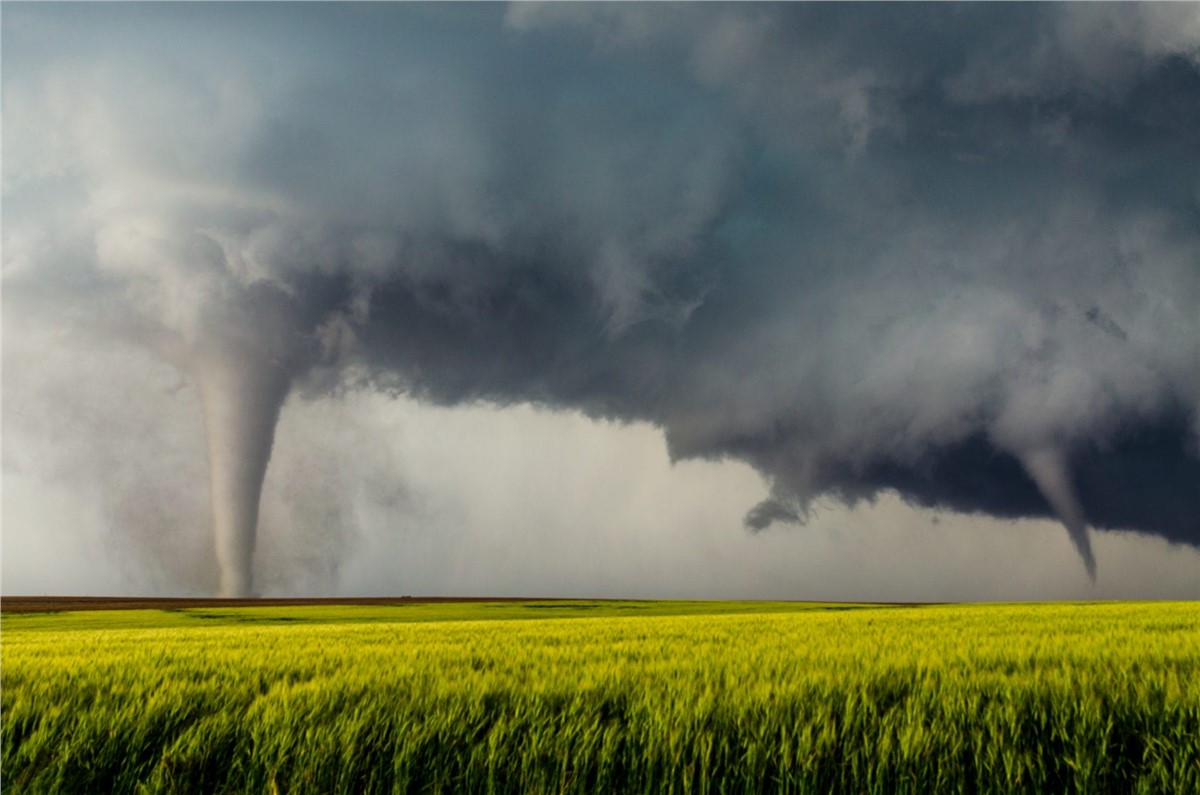
Whether it was a fast-moving spring tornado or a heavy hailstorm, knowing what to do in the first 24 hours can save you from long-term damage. Here is your professional action plan for navigating the aftermath.
1. The "Ground-Level" Safety Check
Before you worry about your shingles, check your surroundings. Walk around the perimeter of your home and look for:
• Downed Power Lines: Never approach or step over a line. Call your utility company immediately.
• Tree Hazards: Look for large hanging branches that could fall with the next gust of wind.
• Safety Warning: Never climb onto a wet or damaged roof yourself. Roof decking can be compromised and dangerous after a strike.
2. Document the "Evidence"
Documentation is key for your own records. Before you move any debris, grab your phone and take photos of:
• The Yard: High-resolution photos of hail or large branches that have fallen.
• The Exterior: Look for "bruises" on your siding, dented soffit or fascia, or shingle granules in your downspouts.
• The Interior: Check your attic for new leaks or moisture that wasn't there before.
3. Mitigate Further Damage
As a homeowner, preventing "secondary damage" is a priority. If you have an active leak, you should:
• Contain the Water: Use buckets and move furniture away from the drip.
• Call for a Professional Assessment: If your roof has visible holes, you need an expert to assess the situation and provide a temporary solution, like tarping, to protect your home’s interior.
4. Get an Expert Opinion Before Calling Insurance
Filing an insurance claim is a big decision. Before you call your agent, it’s often helpful to have a professional contractor perform a thorough inspection of your flashing, drip edges, and shingles.
At Stan’s, we provide you with the facts so you can make an informed choice. However, it is important to remember that while we may identify clear damage, we cannot guarantee a specific outcome with your claim. The final decision to cover a roof replacement rests solely with your insurance adjuster, and they may still choose to deny a claim even if damage is present. Our goal is simply to give you the most accurate technical information possible before you start that process.
A Final Warning: Beware of "Storm Chasers"
Within hours of a major storm, you will likely see out-of-state "storm chasers" knocking on doors in your neighborhood. These companies follow storms across the country, often using high-pressure sales tactics to get you to sign a contract on the spot.
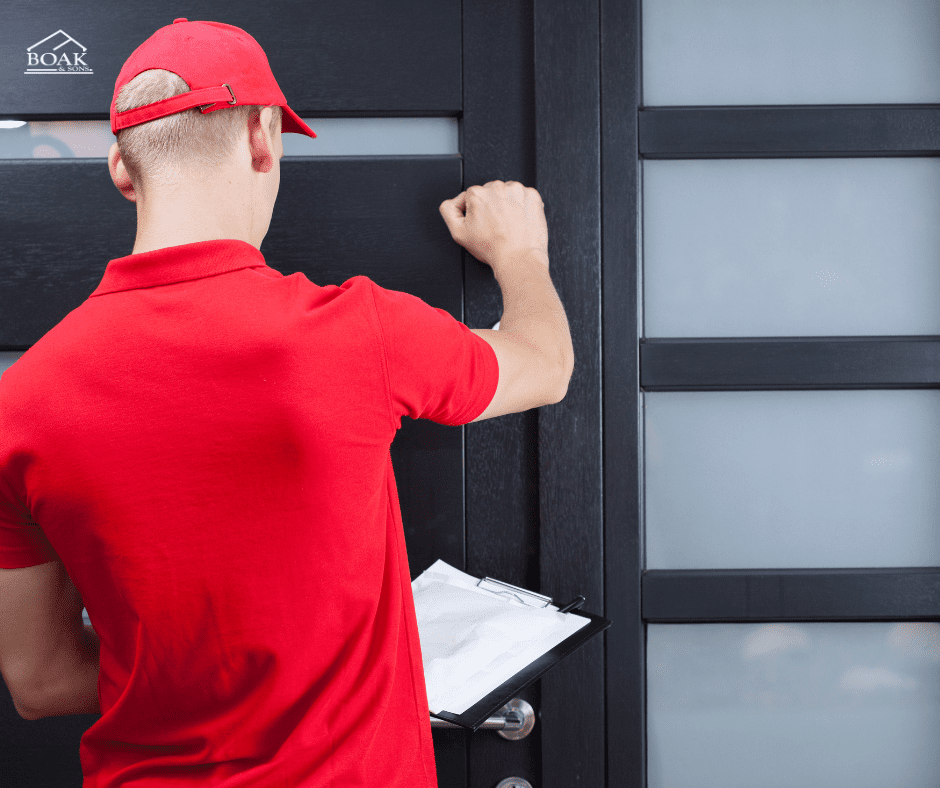
Be weary of door knockers who:
• Use out-of-state license plates or phone numbers.
• Demand an immediate signature or a "down payment" before providing an estimate.
• Offer to "pay your deductible" (which is often a red flag for insurance fraud).
Stick with a local contractor who has a permanent office in the community. If they won't be here in five years to honor your warranty, they shouldn't be on your roof today.
Don’t Let a Small Leak Become a Big Problem
If your roof is over 10 years old, it may be more susceptible to storm damage, which can lead to insurance complications later. Ensure your home is protected with a Spring Audit before the next storm hits.
Think you might have storm damage? Contact Stan’s Roofing & Siding today for a professional inspection and clear answers. 708-448-4100
Subscribe to Stan's Roofing & Siding's Blog



Comments