In Chicagoland, a major storm doesn't just pass through; it leaves a lasting impression on your home. Your roof, siding, and windows are your home’s shield, and knowing how to inspect them safely is the first step in protecting your investment.
The good news? You don't need to be a daredevil on a ladder to assess the initial damage. In fact, for your safety and to accurately document for insurance, your inspection should always begin right where you are standing—on the ground.
1. The Roof: Look for "Shadows" and "Shrapnel"
While you can't see every individual shingle from your driveway, you can spot the classic warning signs that your roof has been compromised. Start by looking for "shadows"—dark, irregular patches on your roof where a shingle or shingle tab has been completely torn away. These represent a direct path for water into your home.
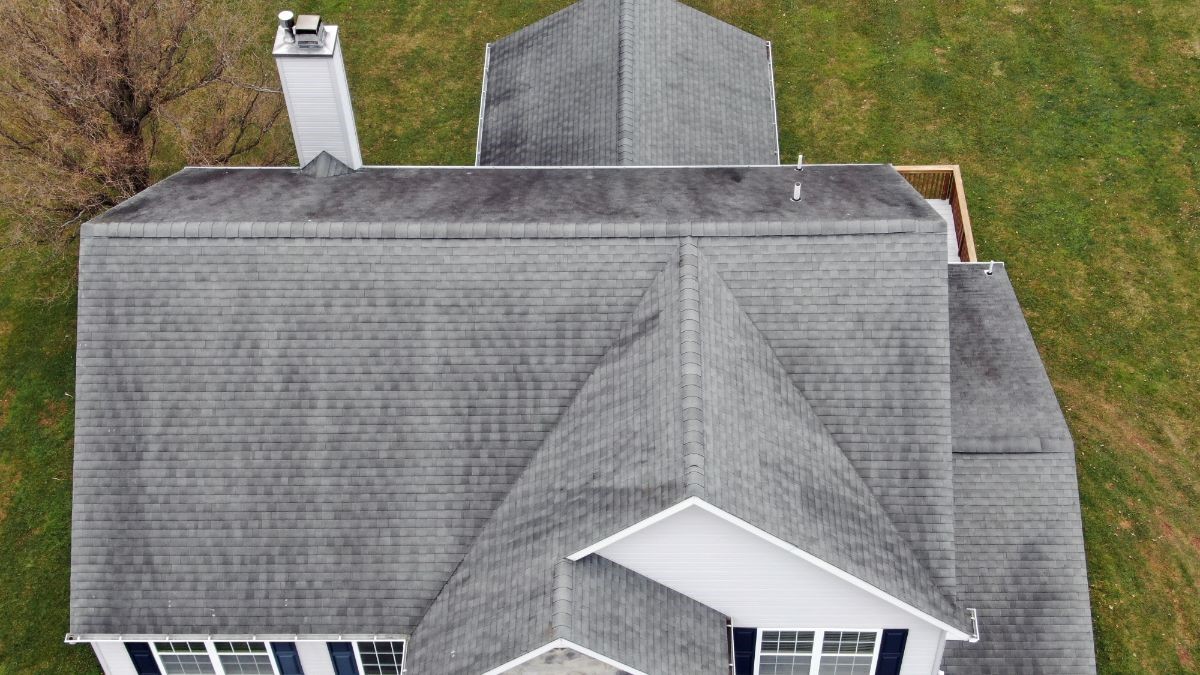
Next, walk to your downspouts and inspect the splash pads. Are they covered in a pile of granules that look like coarse black sand? High winds and hail scrub these protective granules off the shingle surface, leaving the underlying asphalt exposed to UV rays and rain, which dramatically accelerates aging.
Finally, if you have binoculars, use them to check the "flashing"—the metal sheeting around your chimney, vents, and roof valleys. If it looks peeled back or lifted, you are almost guaranteed to have a leak.
2. The Siding: Dents, Chips, and "Spiderwebs"
Your siding takes a beating during any severe weather, especially when horizontal winds propel hail and debris. Start with a visual sweep for any panels that are warped, loose, or pulling away. If a siding panel looks like it’s "waving" at you, wind may have dislodged it, even if it hasn't completely detached.
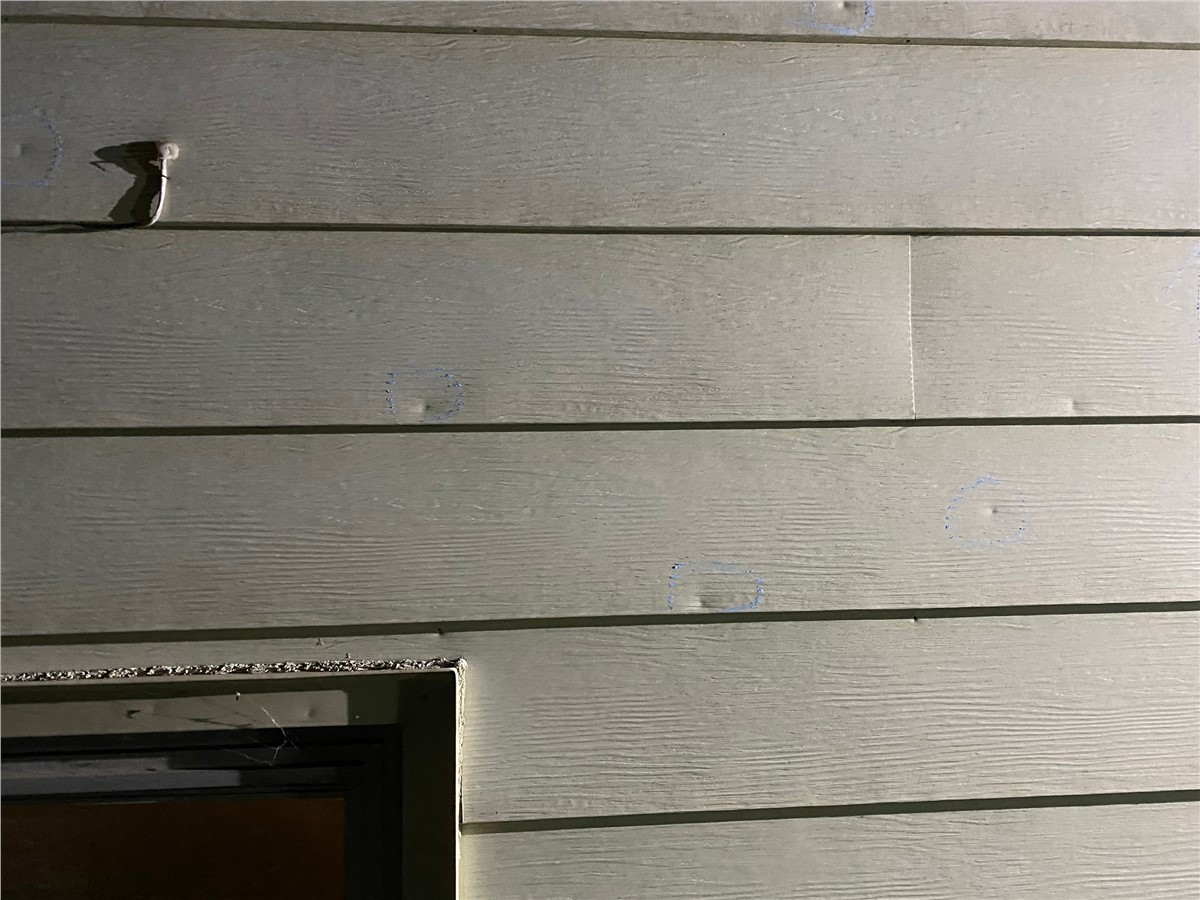
For smaller, harder-to-spot damage:
The "Chalking" Trick: If you have aluminum siding, a small dent from hail can be hard to see. Take a piece of sidewalk chalk and rub it lightly over the suspected area. The chalk will circle the distinct rim of the impact crater, confirming a "strike."
Spiderweb Cracks: If your home has vinyl siding, hail impact often leaves small, radiating cracks that look like a spiderweb.
Paint "Chips" and "Bruises": For durable materials like fiber cement (James Hardie), look for chips, scuffs, or dark "bruises" in the paint where large hailstones made impact.
3. Windows & Gutters: The "Soft Metal" Test
The softest metals on your home—the aluminum in your gutters and window cladding—will show damage far faster than your roof or siding. If these elements are marked, they are a "smoking gun" that your roof has also sustained significant impact.
Start by looking at the face of your gutters. Do you see a pattern of small, round "dimples"? This is the classic signature of a major hail event. Next, check the window "cladding" (the metal wrap around your window frame). If it’s dented, it means the storm was severe enough to threaten your windows’ seals.
Finally, inspect your window screens. Large hail often creates small, distinctive tears or perforations.
4. The "Hidden" Interior Signs
Sometimes, the best view of external damage comes from looking inside your home. Take your flashlight into the attic during the day. Turn off the light; if you see "stars"—any direct pinpricks of daylight—your roof has been punctured by debris.
On your main floors, check your ceiling and corners for "bubbles" in the paint or wallpaper. Water can travel a long distance along a truss or beam, but it will eventually settle behind your drywall, creating these early signs of an entry point.
Why Ground Documentation is Your First Line of Defense
Taking clear photos of everything you see from the ground before you call your insurance agent is crucial. This helps establish a definitive "date of loss" and provides your contractor and adjuster with the precise context they need.
Important Warning: Never step onto a roof yourself, especially after a storm. Your roof may be wet, unstable, or covered in debris, and you risk a serious fall. For a comprehensive inspection and an insurance-ready damage report, trust a professional to provide a comprehensive 2026 storm audit.
Subscribe to Stan's Roofing & Siding's Blog



Comments